




In an ad account run on the platforms' own automation, nobody moves the money by hand. It moves toward the platform's own count of conversions, and part of that count is an estimate.
On Google, Smart Bidding sets a bid in every auction1, aimed at conversions or their value, and an ad's rank is worked out again on every search2. On Meta, an Advantage campaign budget moves money between ad sets in real time3. None of it waits for a meeting.
Price per ad
The market that money moves in does not hold still either. Meta's own filings define the price of an ad4 as its ad revenue divided by the number of ads it delivered. Since 2022, that price has fallen as much as 16% in a year5 and risen by double digits4.
Meta puts the rises down to more demand from advertisers6. It believes that demand comes mostly from improvements to its own targeting and measurement tools. That is the climate a media plan is priced into.
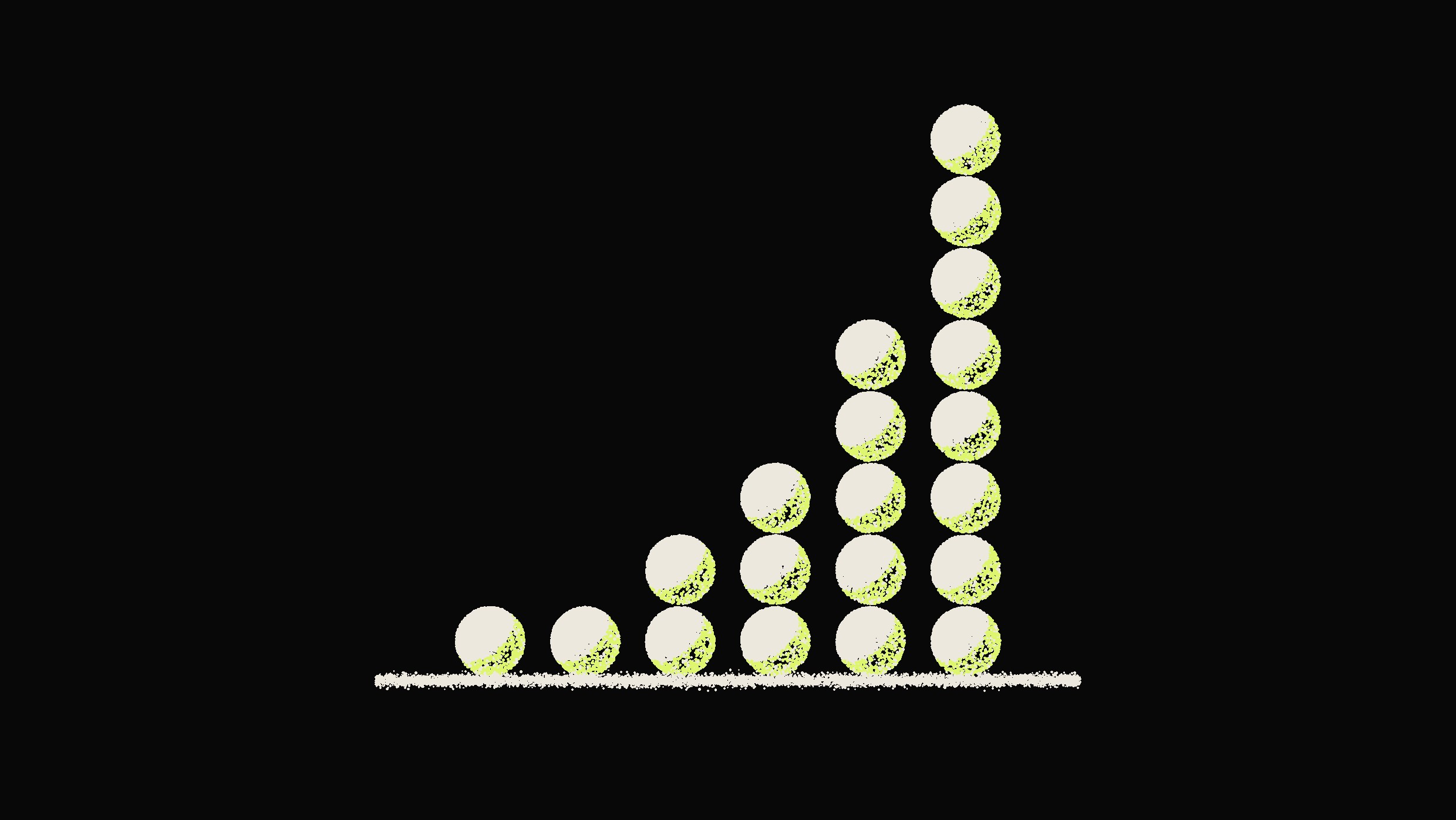
The other line in those filings is volume, and it only goes one way. Meta delivered 12% more ads in 20257 than the year before, and more in every year since 2022. More ads shown means more room to buy, which is part of why the price can fall one year and climb the next.
Two defaults
So standing still does not mean the money sits. It means two defaults stay where they are. The platform's system moves the budget toward the platform's count of conversions. The brand's review, on its own calendar, reads that same count and calls it the result.
Underneath those defaults, two things still move at the speed of the calendar. The first is what is in the account. A bidding system works with the ads it has been given. Somebody uploads the new creative, and somebody pauses the ad that has stopped earning its place. Both happen when a review gets to them.

The second is the split between Meta and Google. Inside each platform, much of the budget moves by itself, and a Google shared budget lets spare money flow to campaigns that have hit their cap8. The split between the two platforms is a plan, not an auction. Neither will ever move a dollar to the other.
The review meant to catch both reads the number the bidding system was aiming at.
The estimated count
Both defaults rest on the same number, so it matters how that number is made.
In April 2021, Apple made every app ask before it could track people across other apps. Researchers measured what followed across more than a thousand online firms. Meta campaigns aimed at sales on a brand's own site lost over a third of their click-through rate9, against campaigns aimed at clicks.
Firms moved spend from Meta to Google. The ones that had leaned hardest on Meta still lost revenue against the ones that had leaned on it less.
What outlasted the shock is how the count is made. After Apple's change, the same paper notes, Meta replaced observed conversions with modeled ones for users who opted out10.
In their own words
Five years on, both platforms describe the practice in their help pages. Google puts it plainly: "Modeled conversions use data that doesn't identify individual users to estimate conversions that Google is unable to observe directly11."
Meta marks the numbers in its own reporting that are not a straight count12. Its page on conversions says it estimates conversions where data is missing or partial13, to give a more complete view of results.
Neither estimate stays in the report. Both platforms say they also use modeling for bidding11 and delivery13, not only for reporting. So the bidding system aims at a count that is partly its own estimate, and the review that checks it reads the same count. Nothing is hidden, and both are the default.
A faster calendar
The obvious answer to a calendar slower than an auction is a faster calendar. Review twice a week, or put another person on the account. Both narrow the lag on the creative and the split. Neither touches the count, because a review that runs more often still reads the platform's estimate.
A brand's own record of its clicks and sales is not a bigger version of that number. It is a narrower one. It cannot see an impression nobody clicked, and it ends at the edge of the brand's own site. It breaks where a person switches device or declines to be measured. What it does hold, it observed rather than estimated.
Speed is worth paying for on a number that was observed. On an estimated one, it buys a faster way to agree with the platform.
The next release
Meta's next quarterly release will carry the same two lines: how far the number of ads moved, and how far the price of one moved. Its own filing expects future ad revenue to be driven by both4. Both numbers will be settled before anyone reads them, in auctions that ran between reviews. And both will have been counted by the company doing the selling.